The beautiful game has arrived on the grandest stage in sporting history. For the first time ever, three nations—the United States, Canada, and Mexico—are co-hosting an expanded, breathtaking tournament featuring 48 international teams playing 104 matches. As passionate soccer fans and jet-setters descend upon North America, understanding the layout, logistics, and transit options for the fifa world cup host cities is the definitive key to unlocking a seamless, stress-free travel experience.
Unlock deals near the biggest matches ⚽
2026 world cup venues


Where to Next? Know in this guide!
If you are a traveler planning your ultimate soccer pilgrimage, this comprehensive, elite-level guide will break down every single stadium, provide expert booking strategies, deliver geographical insights, and share cost-effective transportation hacks to keep your budget perfectly intact.

The Official 16 FIFA World Cup Host Cities at a Glance
For those who want immediate, actionable information, the 16 fifa world cup host cities are strategically divided into three massive geographic regions to optimize player travel and fan logistics across multiple time zones:
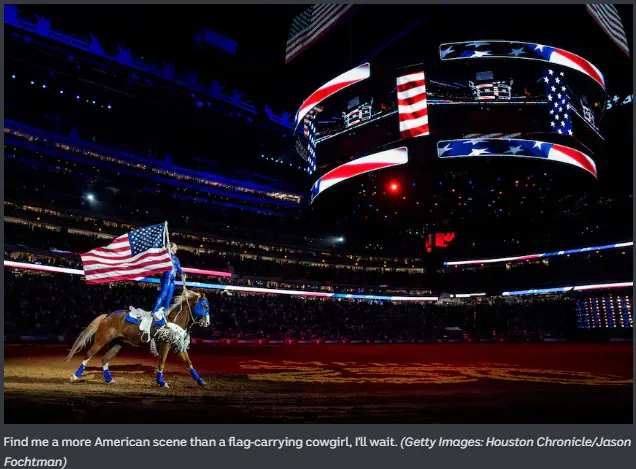
- West Region: Vancouver (BC Place), Seattle (Lumen Field), San Francisco Bay Area (Levi’s Stadium), Los Angeles (SoFi Stadium), and Guadalajara (Estadio Akron).
- Central Region: Kansas City (Arrowhead Stadium), Dallas (AT&T Stadium), Houston (NRG Stadium), Atlanta (Mercedes-Benz Stadium), Monterrey (Estadio BBVA), and Mexico City (Estadio Azteca).
- East Region: Toronto (BMO Field), Boston (Gillette Stadium), Philadelphia (Lincoln Financial Field), Miami (Hard Rock Stadium), and New York/New Jersey (MetLife Stadium).
To secure premium flight inventory, arrange last-minute modifications, or manage sudden cancellations across these vast distances, dial our dedicated concierge channels directly:
- Flight Booking, Changes, and Cancellations: Call +1 888 217 2795
- Expedia and Priceline Booking Management: Call +1 855 321 3242
- All-in-One Travel Metasearch Engine: Utilize Farescanner for unified flight, hotel, and car rental bookings.
Deep Dive Into the 11 World Cup USA Locations
The vast majority of the tournament’s matches, including the historic knockout stages and the ultimate championship game, are taking place inside the borders of the United States. When examining the official list of world cup usa locations, you will find 11 dynamic American metropolises, each boasting architectural wonders as their centerpiece stadiums.
+-----------------------------------------------------------------------------------+
|                            WORLD CUP USA LOCATIONS                                |
+----------------------------+-----------------------------+------------------------+
| Host City Area             | Official Stadium Venue      | Standard Capacity      |
+----------------------------+-----------------------------+------------------------+
| New York / New Jersey      | MetLife Stadium             | 82,500                 |
| Los Angeles, CA            | SoFi Stadium                | 70,240                 |
| Dallas (Arlington), TX     | AT&T Stadium                | 94,000                 |
| Atlanta, GA                | Mercedes-Benz Stadium       | 75,000                 |
| Miami (臨ami Gardens), FL  | Hard Rock Stadium           | 65,000                 |
| Seattle, WA                | Lumen Field                 | 69,000                 |
| San Francisco Bay Area, CA | Levi's Stadium              | 68,500                 |
| Houston, TX                | NRG Stadium                 | 72,220                 |
| Kansas City, MO            | Arrowhead Stadium           | 76,416                 |
| Philadelphia, PA           | Lincoln Financial Field     | 69,796                 |
| Boston (Foxborough), MA    | Gillette Stadium            | 65,878                 |
+----------------------------+-----------------------------+------------------------+
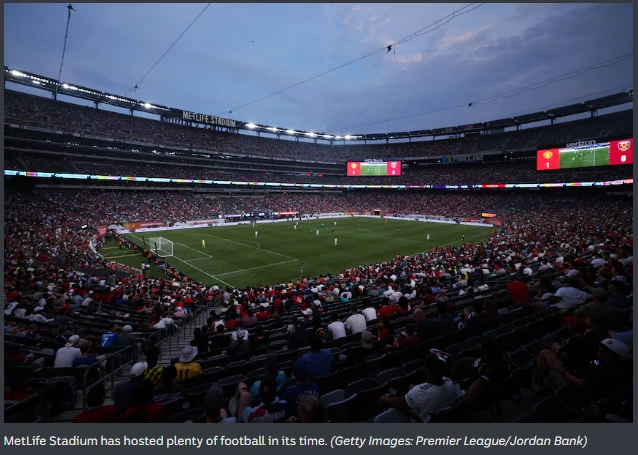
New York / New Jersey — MetLife Stadium (East Rutherford, NJ)
Situated just across the Hudson River from Midtown Manhattan, this massive stadium acts as a premier pillar of the East Region. Boasting a functional capacity exceeding 82,500 seats, it provides the ultimate cosmopolitan backdrop for elite international matches.
- Transit Tip: Avoid driving at all costs. Utilize the NJ Transit rail service departing directly from Manhattan’s Penn Station to Secaucus Junction, where a dedicated stadium shuttle train drops you at the front gates.
- Travel Advice: Stay in alternative transport hubs like Newark, Jersey City, or Hoboken rather than expensive Manhattan hotels to cut down accommodation bills dramatically.
Los Angeles — SoFi Stadium (Inglewood, CA)
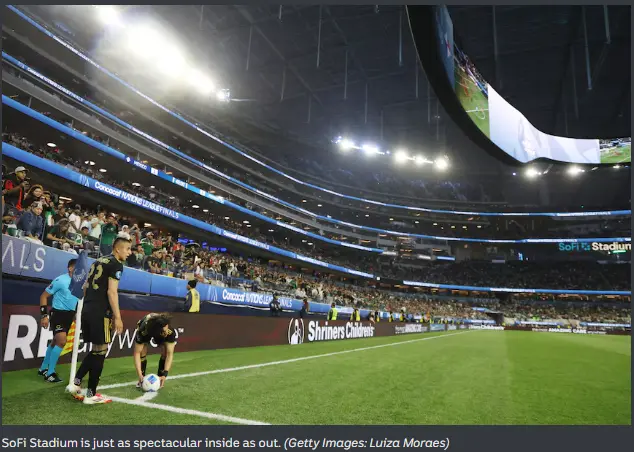
As a modern masterpiece costing an estimated $5.5 billion, this indoor-outdoor structural marvel is the main gateway for fans traveling across the Pacific Ocean. It serves as a monumental hub for early group matches and high-stakes knockout rounds.
- Transit Tip: LA lacks direct heavy rail lines to the stadium gates. Booking rideshares early or arranging official park-and-ride shuttle packages from nearby metro stations is vital.
- Travel Advice: Look into properties in Torrance, El Segundo, or Manhattan Beach to evade the hyper-inflated lodging rates of Downtown LA.
Dallas — AT&T Stadium (Arlington, TX)
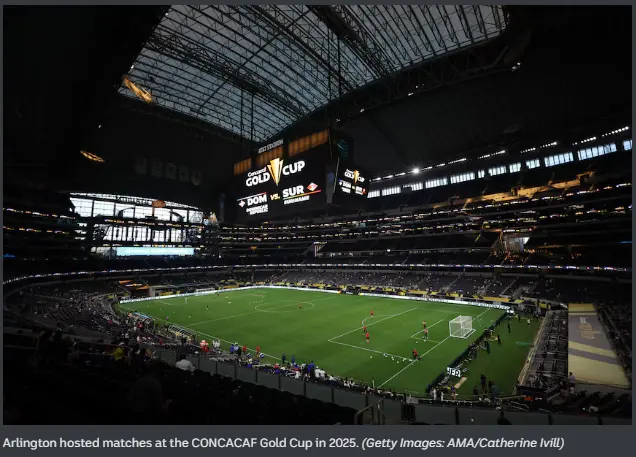
Affectionately dubbed “The Death Star,” this completely climate-controlled indoor arena is hosting a record-breaking 9 matches, including the vital first Semifinal on July 14. Its monstrous central HD video screen ensures not a single detail is missed.
- Transit Tip: Arlington sits right between Dallas and Fort Worth. Take the Trinity Railway Express (TRE) to the CentrePort station, then jump on local stadium shuttle services.
- Travel Advice: Because it is centrally located in North America, Dallas makes an exceptional geographic basecamp if you plan to fly back and forth to multiple matches across the continent.
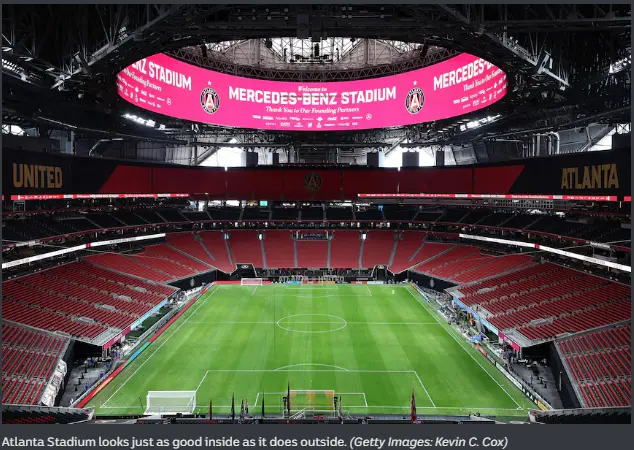
Atlanta — Mercedes-Benz Stadium (Atlanta, GA)
Featuring a striking pinwheel retractable roof and a massive 360-degree halo video board, this venue is the proud host of the second Semifinal match on July 15. The interior is fully air-conditioned, which is a major relief during hot summers.
- Transit Tip: This is arguably the easiest stadium to access via public transit. The MARTA rail network drops you off directly at the stadium steps from anywhere in the city.
Miami — Hard Rock Stadium (Miami Gardens, FL)
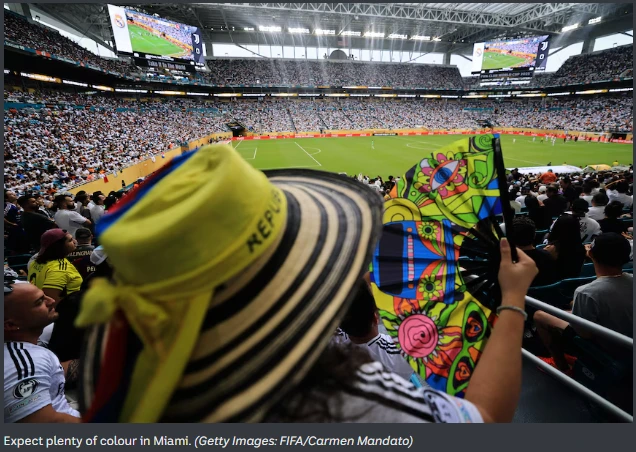
A premier multicultural sports destination, this open-air stadium features a state-of-the-art canopy designed to protect fans from the intense Florida sun and afternoon rain showers. It is scheduled to host the Bronze Medal third-place playoff match.
- Transit Tip: Located north of downtown Miami, standard rideshare services experience massive pricing surges post-game. Look for express bus shuttles running from Fort Lauderdale or Downtown Miami.
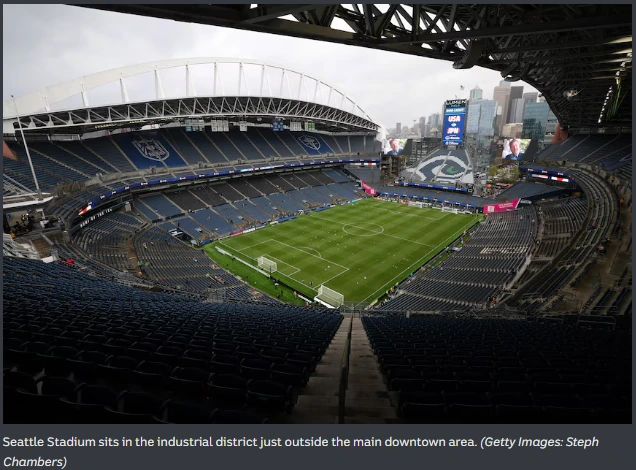
Seattle — Lumen Field (Seattle, WA)
Renowned globally for creating some of the loudest, most energetic crowd atmospheres in professional sports, this stadium sits in the heart of the Pacific Northwest. It offers scenic views of the Seattle skyline and Puget Sound.
- Transit Tip: Highly walkable and connected perfectly to the Sounder Commuter Rail and Link Light Rail systems, making car rentals completely unnecessary.
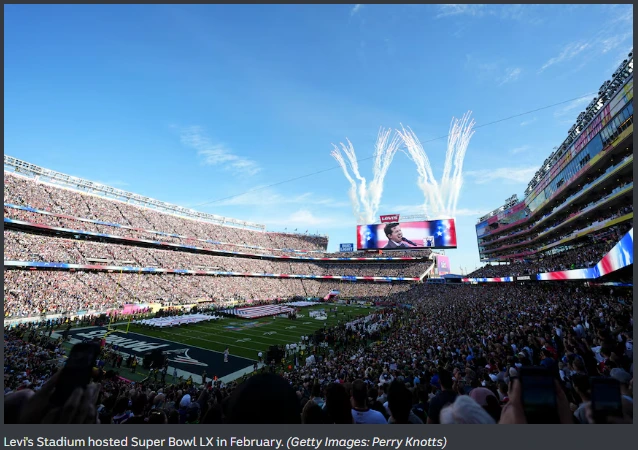
San Francisco Bay Area — Levi’s Stadium (Santa Clara, CA)
Positioned right in the innovative core of Silicon Valley, this eco-friendly facility utilizes solar technology and water recycling systems to deliver a modern, highly sustainable fan experience.
- Transit Tip: Do not fly into San Francisco Airport (SFO) if you want a short commute; fly directly into San Jose International Airport (SJC) and utilize the VTA Light Rail system to reach Santa Clara instantly.
Houston — NRG Stadium (Houston, TX)
Another brilliant indoor venue featuring a fully retractable fabric roof and comprehensive air conditioning, shielding fans from the oppressive Texas summer humidity.
- Transit Tip: Park further away in Downtown Houston and catch the METRORail Red Line, which travels straight to the NRG Park station platform.
Kansas City — Arrowhead Stadium (Kansas City, MO)
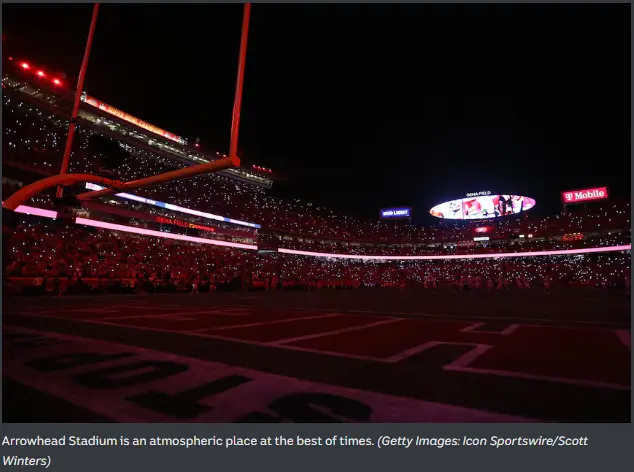
Deeply embedded in the historic roots of American sports culture, this open-air bowl stadium is famous for its passionate tailgating culture and unparalleled culinary barbecue scene.
- Transit Tip: Public transit is limited here. Renting a car with a pre-purchased stadium parking pass or organizing group charter buses is highly recommended.
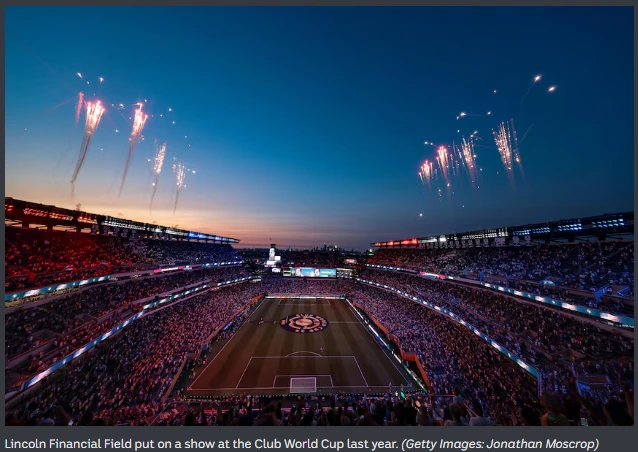
Philadelphia — Lincoln Financial Field (Philadelphia, PA)
An exceptional, green-certified stadium located inside the South Philadelphia Sports Complex, offering immediate proximity to historical landmarks and exceptional East Coast dining.
- Transit Tip: Take the SEPTA Broad Street Line subway directly southbound to the NRG Station terminus for fast, highly affordable access.
Boston — Gillette Stadium (Foxborough, MA)
Situated southwest of downtown Boston, this sprawling open-air venue features a massive, newly renovated lighthouse structure overlooking the pitch.
- Transit Tip: Take the dedicated MBTA Commuter Rail “Soccer Train” from Boston’s South Station or Providence, Rhode Island directly to the stadium platform on match days.
Deep Dive Into the International FIFA World Cup Locations
To truly understand the grand scale of the modern tournament layout, one must look beyond the US borders at the incredible international fifa world cup locations chosen across Canada and Mexico.
The Canadian Host Venues: Toronto & Vancouver
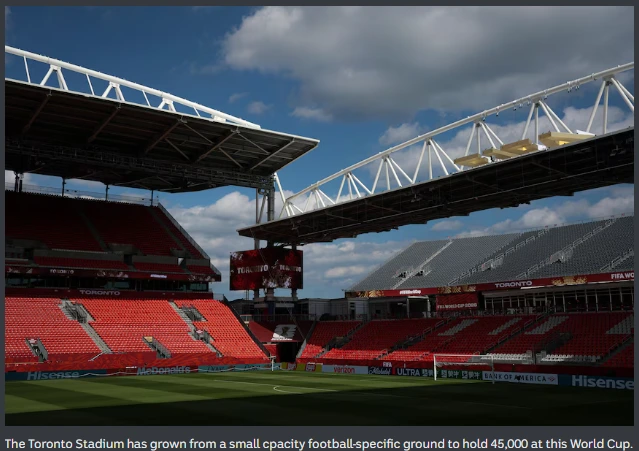
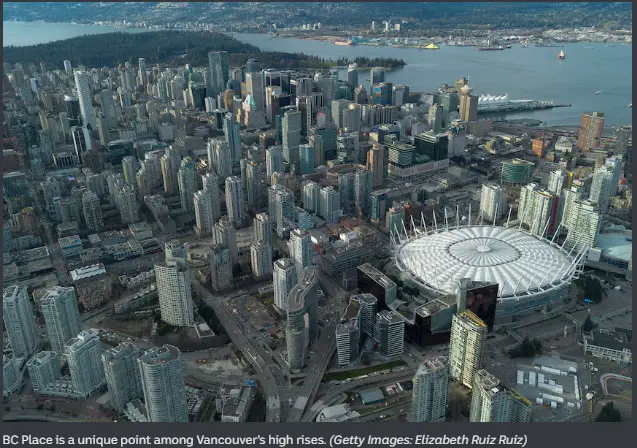
Canada brings two highly distinct coastal gems to the tournament structure. In the East Region, Toronto (BMO Field) offers an intimate, highly passionate atmosphere right on the shores of Lake Ontario. Over in the West Region, Vancouver (BC Place) features an incredible, newly upgraded retractable roof system nestled beneath the stunning backdrop of the Pacific Coast mountains. Both cities boast world-class public transit, making internal city travel a complete breeze for international visitors.
The Mexican Host Venues: Mexico City, Guadalajara, & Monterrey
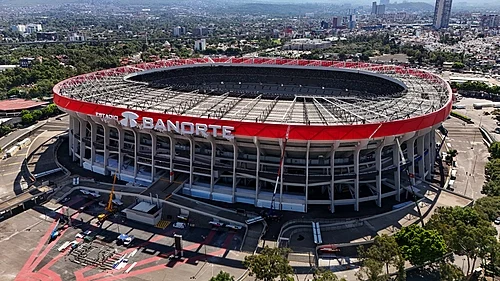
Mexico provides a legendary footballing heritage that no other region on Earth can match. The crown jewel is Mexico City (Estadio Azteca), the historic stadium that is hosting an opening match, making it the first venue in human history to welcome three separate World Cup opening ceremonies.
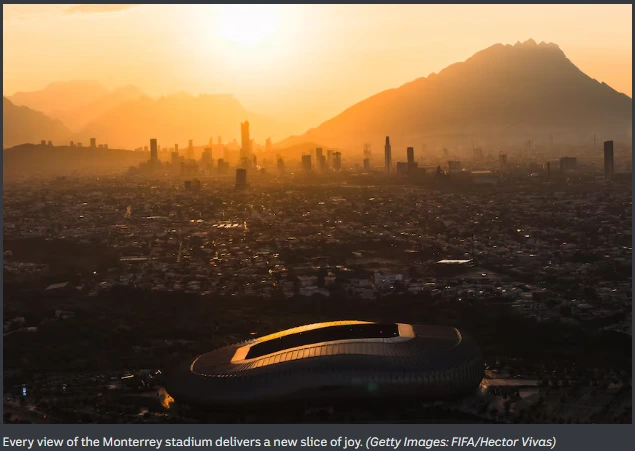
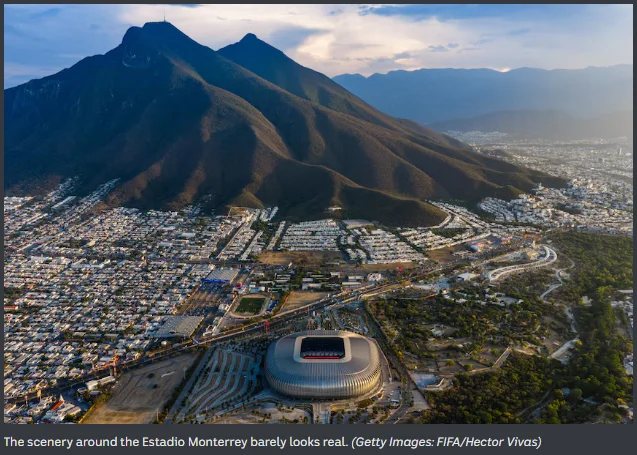
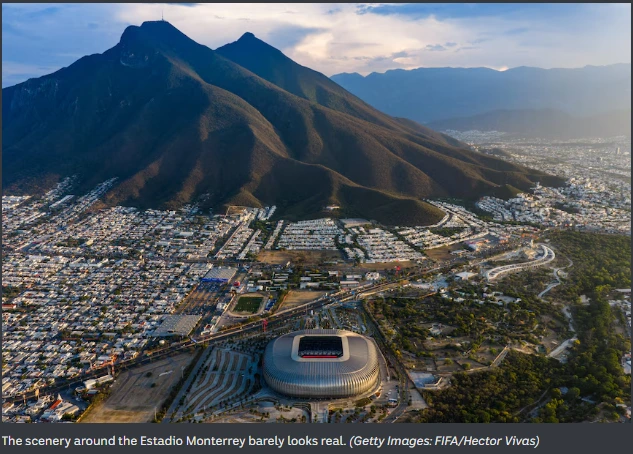
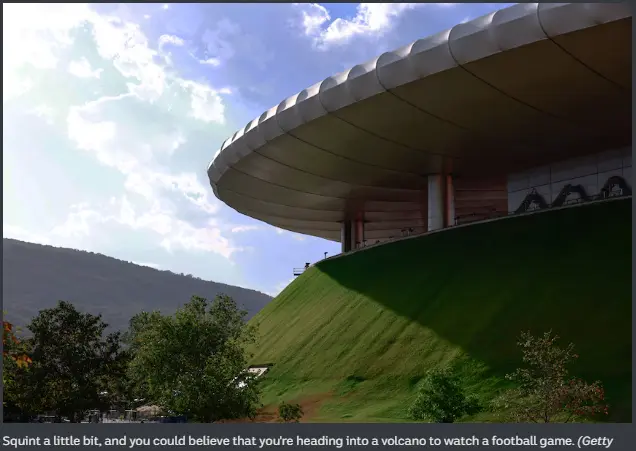
In the Central Region, Monterrey (Estadio BBVA) delivers a jaw-dropping aesthetic with its metallic structure framed by the iconic Cerro de la Silla mountain. Finally, the West Region features Guadalajara (Estadio Akron), a brilliant architectural marvel shaped like a volcanic cone covered in natural green grass. Travelers to Mexico City should plan for high-altitude conditions, ensuring proper hydration and rest upon arrival.
Detailed Breakdown of the World Cup 2026 Final Location
When it comes to the single most coveted match of the decade, all eyes are locked onto the official world cup 2026 final location. FIFA formally selected MetLife Stadium in East Rutherford, New Jersey, to host the grand championship final match on Sunday, July 19. For the duration of this historic tournament, the venue is officially designated as the New York New Jersey Stadium to strictly adhere to international non-commercial naming guidelines.
+-----------------------------------------------------------------------------------+
|                        WORLD CUP 2026 FINAL LOCATION PROFILE                      |
+----------------------------+------------------------------------------------------+
| Metric Element             | Official Venue Specifications                        |
+----------------------------+------------------------------------------------------+
| Host Stadium Name          | MetLife Stadium (New York New Jersey Stadium)       |
| Geographical Location      | East Rutherford, New Jersey (12km West of Manhattan) |
| Grand Championship Date    | Sunday, July 19                                      |
| Seating Capacity           | 82,500 seats                                         |
| Key Transit Connection     | NJ Transit Rail via Secaucus Junction                |
+----------------------------+------------------------------------------------------+
Hosting the grand final turns the greater New York metropolitan region into the absolute epicenter of the global sporting universe. This historic matchup will also make history by introducing the first-ever full-scale halftime entertainment show during a World Cup final, produced in close partnership with Global Citizen to maximize global broadcast engagement.
Because demand for flights into John F. Kennedy International (JFK), Newark Liberty International (EWR), and LaGuardia (LGA) will reach historic highs during mid-July, travelers must lock in their itineraries months in advance. If you encounter any scheduling roadblocks, remember that our booking experts are available at +1 888 217 2795 to handle route modifications instantly.
Comprehensive Guide to the 2026 World Cup Final Location
Planning your journey to the 2026 world cup final location requires surgical travel precision. Because there is absolutely no general spectator parking allowed at MetLife Stadium for the final match, public transit is your singular path to the gates.
Essential Final Match Checklist for Smart Travelers:
- Book Multi-City Flights via Farescanner: Compare airfares across all three major New York area airports simultaneously to capture the best rates.
- Utilize Commuter Towns: Secure lodging along the NJ Transit rail lines in towns like Morristown, Clifton, or Edison to bypass premium hotel pricing.
- Arrive Early: The gates open several hours before kickoff. Arriving early allows you to absorb the global fan fest atmosphere without rushing through security screenings.
- Keep Digital Travel Backups: Save offline copies of your flight itineraries, train passes, and match tickets on your mobile device.
If you have secured vacation packages through third-party platforms and require immediate modifications to your hotel or flight connections near the 2026 world cup final location, reach out to our dedicated support managers at +1 855 321 3242 for fast assistance.
Value-Driven Strategic Insights for Global Soccer Travelers
Navigating across vast international borders requires elite travel planning. To ensure you maintain a seamless itinerary across the various fifa world cup host cities, pay close attention to regional travel planning, ticketing safety, and cellular connectivity.
The Importance of Regional Intralogistics
Do not try to catch a Monday match in Vancouver, a Wednesday match in Miami, and a Friday match in Mexico City. The vast distances across North America will induce massive jet lag and exhaust your travel budget. Instead, focus your itinerary inside a singular geographic zone (West, Central, or East). For example, a Central Region itinerary focusing on Dallas, Houston, and Atlanta allows you to move quickly via short domestic flights or ground transit.
Securing Trusted Digital Connectivity
Always acquire an international eSIM or regional pre-paid data card before entering the host countries. Stadium areas experience immense cellular tower congestion on match days. Having a reliable, independent data connection ensures you can seamlessly check match statistics, coordinate meeting spots with fellow travelers, and summon rideshare services without relying on overloaded public stadium Wi-Fi networks.
Comprehensive Regional Analysis of Host Cities
To give you an expert perspective on how these cities operate, let us break down the exact transit infrastructure and summer weather characteristics of each primary region.
+-----------------------------------------------------------------------------------+
|                        REGIONAL WEATHER & TRANSIT MATRIX                          |
+----------------+-------------------------------+----------------------------------+
| Region Zone    | Average Summer Climate        | Primary Transit Recommendations  |
+----------------+-------------------------------+----------------------------------+
| West Region    | Mild, Mediterranean, Cool     | Light Rail, Walkable, Rideshares |
| Central Region | Intense Heat, High Humidity   | Monorails, Express Bus Shuttles  |
| East Region    | Humid Continental, Warm       | Heavy Rail, Subways, Commuter    |
+----------------+-------------------------------+----------------------------------+
The Pacific Coastal Dynamic (West Region)
The West Region offers a mild, highly enjoyable climate for summer travelers. Cities like Vancouver and Seattle rarely experience extreme heat waves in June and July, making them incredibly pleasant for outdoor exploration. However, because these cities are spread far along the Pacific Coast, moving between them requires booking regional flights well in advance. Keep your eyes on regional airlines via Farescanner to lock in affordable commuter hops.
The Great North American Heartland (Central Region)
The Central Region features incredible sports stadium structures, but travelers must prepare for intense summer heat and high humidity levels, particularly in cities like Houston, Monterrey, and Atlanta. Fortunately, venues like Mercedes-Benz Stadium and NRG Stadium boast cutting-edge indoor climate control. Ensure you stay fully hydrated when participating in outdoor fan zones or pre-match tailgating festivities.
The Bustling Atlantic Corridor (East Region)
The East Region is characterized by highly dense urban populations and exceptional public transportation systems. You can easily traverse the northeastern corridor using extensive rail networks, entirely eliminating the need for expensive rental cars and parking fees. This region is also highly convenient for international travelers arriving from Europe, South America, and Africa due to shorter flight durations and favorable time zone alignments.
Practical Travel Case Study — The Ultimate Soccer Road Trip
To demonstrate how to navigate the tournament efficiently, let us examine a real-world travel scenario focusing on a fan attending multiple group stage games in the Central Region.
📈 Case Study: The 14-Day Central Hub Strategy
- The Fan Profile: A group of four passionate travelers from Chicago wanting to experience multiple high-stakes group stage matches without spending a fortune.
- The Route Choice: Selecting Dallas and Houston as their core basecamps due to their close geographic proximity.
- The Logistics Execution: Instead of booking multiple expensive point-to-point one-way flights, the group utilized Farescanner to book a round-trip ticket into Dallas Fort Worth International Airport (DFW). They rented a fuel-efficient midsize hybrid vehicle to travel the 240 miles between Dallas and Houston via Interstate 45.
- The Financial Outcome: By avoiding peak match-day flights between host cities and sharing a single vehicle, the group saved an estimated $1,450 in airfare alone. They utilized alternative lodging in suburban areas outside Arlington and NRG Park, reducing their accommodation expenses by an additional 45% compared to downtown hotel options.
Step-by-Step Guideline to Booking an Affordable World Cup Trip
Follow this proven, step-by-step blueprint designed by our veteran travel authors to secure the lowest possible rates on your upcoming sports vacation.
Step 1: Define Your Core Geographic Region
Choose one specific region (West, Central, or East) to anchor your entire trip. This limits your internal transit times and prevents severe travel fatigue.
Step 2: Search Airport Matrix Alternatives via Farescanner
When flying into a host city, check secondary airport options. For instance, look at Chicago Midway (MDW) alongside O’Hare (ORD), or Dallas Love Field (DAL) alongside DFW, to uncover lower budget fares.
Step 3: Secure Your Transport Commute Channels
Once your flights are locked in, immediately plan your stadium transit. Pre-order your commuter rail passes or reserve official park-and-ride shuttle seats to avoid being stranded on match day.
Step 4: Establish Flexible Emergency Booking Channels
Save our customer support numbers (+1 888 217 2795 and +1 855 321 3242) in your contacts list. If a flight gets delayed or a hotel reservation faces an unexpected issue, you can immediately speak with a live agent to resolve the problem.
Pros and Cons of Navigating the Expanded Tournament Format
Every massive global sporting event presents unique benefits and distinct logistical hurdles. Here is an honest, balanced breakdown of what to expect.
Pros:
- Unmatched Cultural Diversity: The historic three-nation format allows fans to experience the distinct cultures of Canada, Mexico, and the USA all in a single tour.
- State-of-the-Art Venues: North America boasts some of the largest, most technologically advanced sports stadiums on earth, ensuring excellent sightlines and premier amenities.
- Expanded Fan Zones: Major public squares across all 16 cities are hosting massive, free fan festivals featuring live music, food trucks, and gigantic outdoor broadcast screens.
Cons:
- Substantial Travel Distances: Moving between cross-continental host cities requires long flights, making spontaneous travel nearly impossible without careful pre-planning.
- Premium Event Pricing: Hotel, flight, and rideshare rates naturally skyrocket around match days due to unprecedented global demand.
- Complex Border Logistics: Traveling between the US, Canada, and Mexico requires passing through international customs, meaning valid passports and appropriate travel visas are mandatory.
Exclusive Strategic Travel Insights for Individual Host Cities
Let us take a closer look at the unique transit features and booking tips for the remaining prominent host cities to give you a clear competitive edge.
Maximizing Your Time in Philadelphia and Boston
When traveling around the historic East Coast locations, remember that Philadelphia’s Lincoln Financial Field is completely integrated into the city’s subway grid. This allows you to stay in highly affordable historic districts and take a quick 15-minute train ride directly to the match.
Conversely, Boston’s Gillette Stadium is located 30 miles outside the city proper in Foxborough. Attempting to take a standard rideshare back to Boston after a match can result in massive surge pricing. Always prioritize the official MBTA Commuter Rail event trains to ensure a smooth, budget-friendly return journey.
Navigating the Vibrant Venues of Texas and Georgia
Texas features two massive host cities: Dallas and Houston. Both cities love driving culture, meaning roads directly surrounding AT&T Stadium and NRG Stadium face severe gridlock on match days. Utilizing remote park-and-ride options is the single smartest decision you can make.
Over in Atlanta, Mercedes-Benz Stadium stands out as a model of urban accessibility. The MARTA rail transit system features stations right next to the stadium gates, allowing you to quickly head back to affordable hotel options near Hartsfield-Jackson Atlanta International Airport (ATL) without ever sitting in traffic.
Protecting Your Travel Budget Against Inflation
With millions of international visitors exploring North America simultaneously, travel inflation is a reality. Implement these clever financial strategies to shield your hard-earned budget.
Avoid Stadium Area Dining
Restaurant and fast-food prices in the immediate vicinity of major stadiums often feature premium event markups. Travel a few stops away on public transit to enjoy highly authentic, reasonably priced local neighborhood dining options.
Group Rideshare Coordination
If you must use rideshares, walk at least 1 to 2 miles away from the stadium gates into a quiet residential zone or commercial shopping center before opening your app. This simple walk helps you exit the heavy surge-pricing zone, saving you significant money on your fare.
Ensuring Health, Safety, and Legal Compliance Across Borders
International travel on this scale requires strict adherence to customs regulations and personal well-being practices.
International Passports and Electronic Visas
Ensure your passport has at least six months of validity remaining from your planned return date. Travelers entering Canada may need an Electronic Travel Authorization (eTA), while international visitors to the US typically require an ESTA or standard tourist visa. Double-check all border entry requirements well before your departure date.
Managing Physical Exhaustion and Altitude
If your itinerary includes games at the high-altitude Estadio Azteca in Mexico City, give your body at least 48 hours to properly acclimate before participating in heavy physical activity. Drink plenty of water and limit strenuous walking to avoid altitude sickness.
The Evolving Future of Global Sports Infrastructure
The massive structural investments made across these 16 cities will leave a lasting legacy for decades to come.
Sustainable Stadium Innovations
Many host venues have undergone significant eco-friendly upgrades, incorporating massive solar panel arrays, energy-efficient LED stadium lighting, and comprehensive zero-waste recycling initiatives. These advancements ensure the tournament minimizes its environmental footprint while setting a progressive new standard for future global mega-events.
Upgraded Public Transportation Networks
From expanded light rail corridors in Seattle to enhanced commuter train schedules in New York and New Jersey, the tournament has accelerated vital municipal infrastructure projects. These lasting transit improvements will benefit local residents and future travelers long after the final whistle blows.
Actionable Emergency Travel Resources
When managing a complex multi-city itinerary, unexpected travel disruptions can happen. Keep these reliable emergency contacts readily available to keep your travel plans on track.
Comprehensive Flight and Hotel Modifications
If severe weather conditions or sudden scheduling adjustments require you to change your domestic or international flight paths, save time by calling our travel helpdesk at +1 888 217 2795 for immediate rebooking assistance.
Third-Party Booking Concierge
For fans who arranged their flights, car rentals, or hotel stays via major online travel agencies and need rapid support, connect directly with our specialized helpline at +1 855 321 3242 to resolve booking conflicts smoothly.
Final Travel Summary and Expert Encouragement
Attending the World Cup is a phenomenal, once-in-a-lifetime journey that connects people from all corners of the planet through a shared love of sport. By choosing your geographic region wisely, leveraging efficient public transit systems, and staying smart with your accommodation choices, you can experience this historic tournament comfortably and affordably. Plan your routes early, pack your favorite jersey, and get ready to witness sporting history live across North America!
Frequently Asked Questions (FAQ)
What are the official 2026 FIFA World Cup host cities?
The tournament is being hosted across 16 premier cities in three nations. The United States features 11 host venues: New York/New Jersey, Los Angeles, Dallas, Atlanta, Miami, Seattle, San Francisco Bay Area, Houston, Kansas City, Philadelphia, and Boston. Canada features 2 host cities: Toronto and Vancouver. Mexico features 3 historic host cities: Mexico City, Guadalajara, and Monterrey.
Where is the official world cup 2026 final location?
The historic final match is scheduled to take place on Sunday, July 19, at MetLife Stadium in East Rutherford, New Jersey. The venue is located just 12 kilometers west of Midtown Manhattan and offers a seating capacity of 82,500.
How do I travel between the different world cup usa locations?
Because of the massive geographic distances between American host cities, flying is the most efficient travel method. You can use travel metasearch platforms like Farescanner to compare budget domestic airline tickets. For advice on booking, modifications, or cancellations, call +1 888 217 2795.
Is public transportation available at the 2026 world cup final location?
Yes, public transit is the absolute best way to reach MetLife Stadium. NJ Transit operates a highly efficient, dedicated event rail shuttle connecting Manhattan’s Penn Station and Newark directly to the stadium gates via Secaucus Junction on match days.
Which host city is scheduled to feature the most matches during the tournament?
AT&T Stadium in Arlington (Dallas), Texas, is hosting the largest number of games, with 9 matches scheduled at the venue, including the high-stakes first Semifinal game on July 14.
Are there general spectator parking spots available for the final match?
No, there is no general spectator parking allowed at the stadium for the final match on July 19. All fans attending the game must utilize public train networks, authorized park-and-ride bus shuttles, or pre-arranged corporate transport channels.
Do I need separate travel visas to watch matches across the USA, Canada, and Mexico?
Yes. Because you are crossing international borders, you must meet the distinct entry requirements for each country. Ensure your passport is valid and check if you need an American tourist visa/ESTA, a Canadian eTA, or a Mexican tourist card before booking your travel.
How can I modify a hotel or flight booking made through Expedia or Priceline?
If you need to make fast updates, changes, or cancellations for reservations booked through major online platforms, you can speak directly with a dedicated support representative by calling +1 855 321 3242.
What is the best way to avoid expensive hotel rates in the host cities?
Consider booking accommodations in nearby commuter towns well-connected by local train lines rather than staying directly in downtown city centers or right next to stadium zones, where prices see significant event markups.
Will the stadiums feature climate control during hot summer matches?
Yes, several key venues located in hotter regions—such as AT&T Stadium in Dallas, Mercedes-Benz Stadium in Atlanta, and NRG Stadium in Houston—are fully enclosed, climate-controlled indoor facilities designed to keep fans comfortable.
📞 Need Immediate Travel Assistance? Contact Our Experts Now!
Plan your complete journey today on Low Cost Budget Airlines { LCBA }
— Where Every Flight is a Fair Fare!
For expert flight bookings, rapid route adjustments, and instant ticket cancellations, reach us at +1 888 217 2795.
For fast support with your Expedia or Priceline itineraries, call our support line at +1 855 321 3242.